



The Complete Guide to Men's Brooches: Styles, Placement and Buying Tips
A brooch used to sit in the "women-only" drawer of accessories. That has changed. Grooms wear them on sherwani coats, businessmen pin them to blazer lapels, and street style photographers now catch them on denim jackets and overshirts. A men's brooch is no longer a costume piece. It is a working accessory, and this guide covers everything: designs, placement on different garments, occasions, materials, and how to buy one without overpaying.
Historically, men wore more jewelry than women for most of recorded history: signet rings, cloak pins, and brooches were standard menswear before the 19th century pushed male dress toward plain suits. What's happening now with brooch pins for men is closer to a return to that older habit than a brand-new trend. Wedding season in India, red carpet menswear, and casual streetwear have all pulled the men's brooch back into regular rotation.
What is a men's brooch?
A brooch is a decorative pin that attaches to fabric using a clasp or pin-back mechanism. For men, it usually sits on the left lapel, the collar, or the coat, though placement changes by garment and occasion.
People often confuse a brooch with a lapel pin or a tie pin. A lapel pin is small and flat, usually under 2.5 cm, and sits flush against the fabric. A men's brooch is larger, often has stones, chains, or enamel work, and carries more visual weight. Think of gents' coat brooches worn at weddings: they are brooches first, lapel pins second.
Popular brooch designs for men
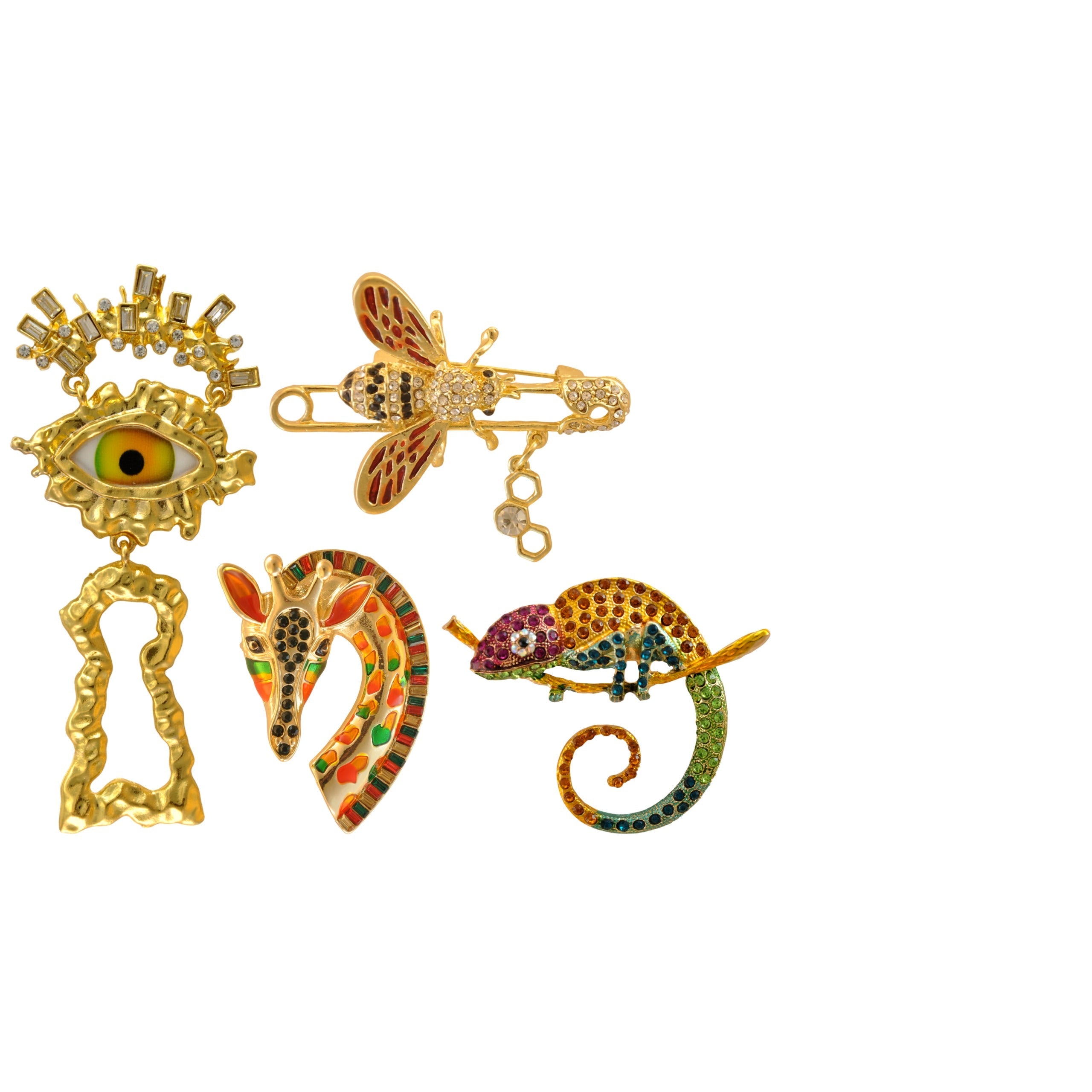
Men's brooch design has moved past the plain metal bar. Current options include:
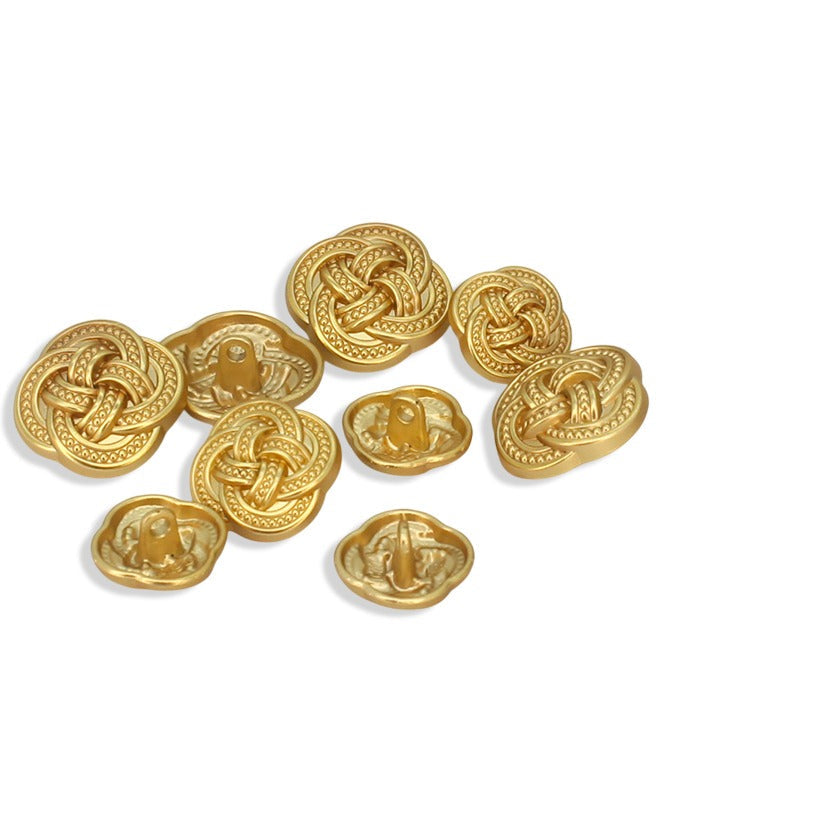
- Geometric and minimal pins: thin metal bars, circles, or angular shapes in gold or silver tone. Good for daily suit brooch use.
- Gemstone brooches: ruby, emerald, or crystal-studded pieces, common as a wedding brooch for men's coats.
- Temple and motif brooches: Ganesha, Krishna, or floral designs, popular in Indian sherwani and kurta styling.
- Chain brooch for men: two connected pins joined by a fine chain, often called a double-pin or Bollywood-style brooch. This design distributes weight across two anchor points, which helps on heavier coats.
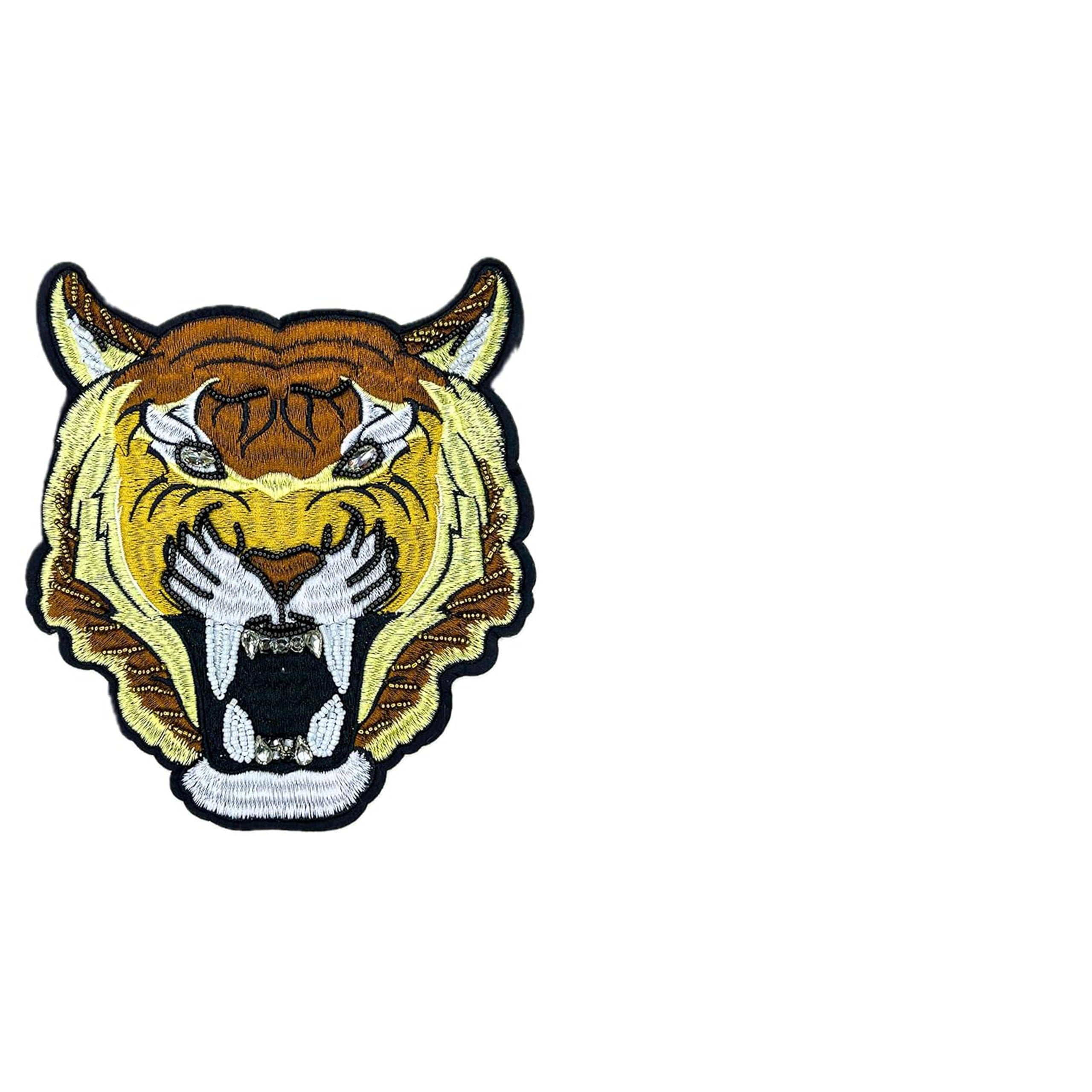
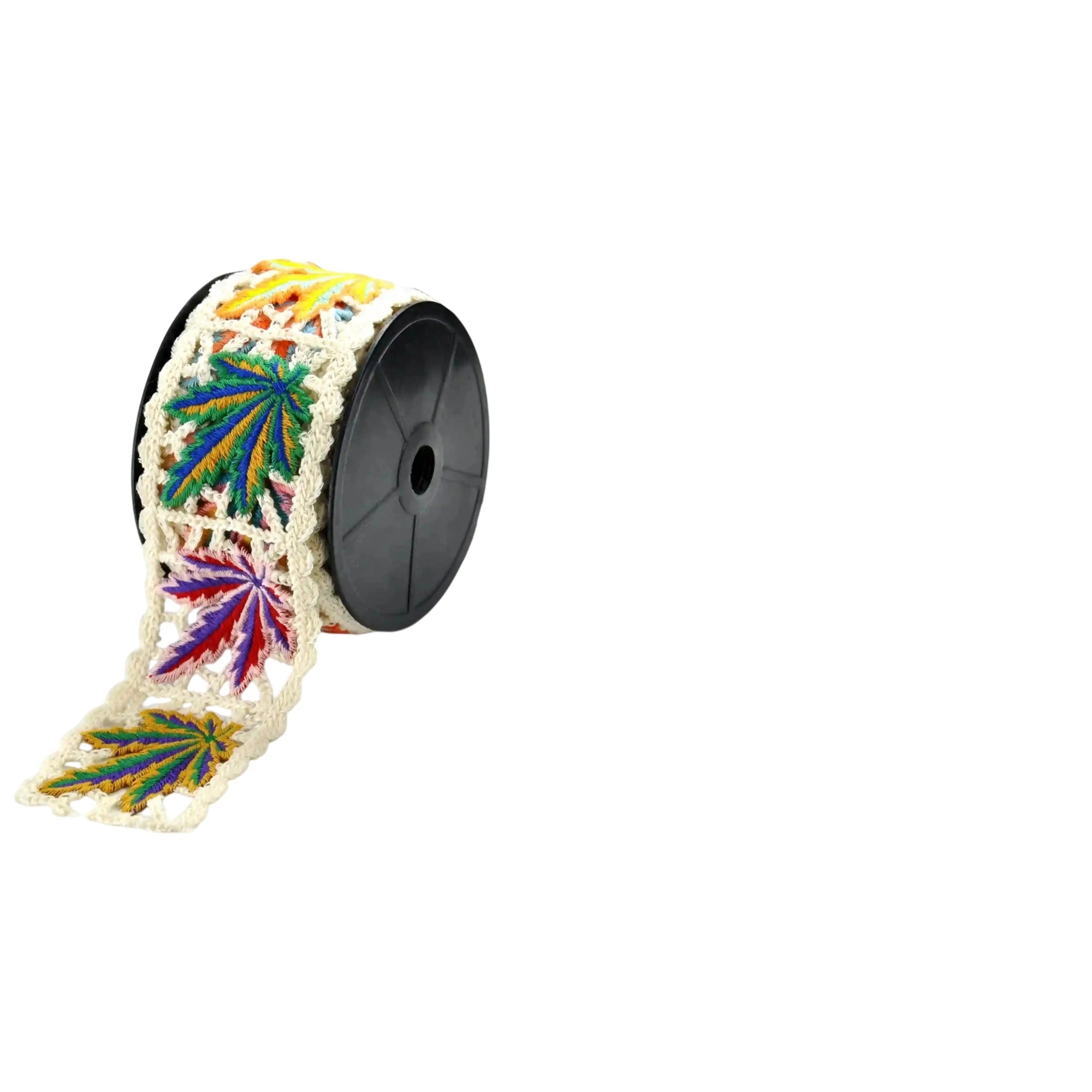
- Animal and nature motifs: horses, birds, or leaf shapes, mostly used for casual jacket styling.
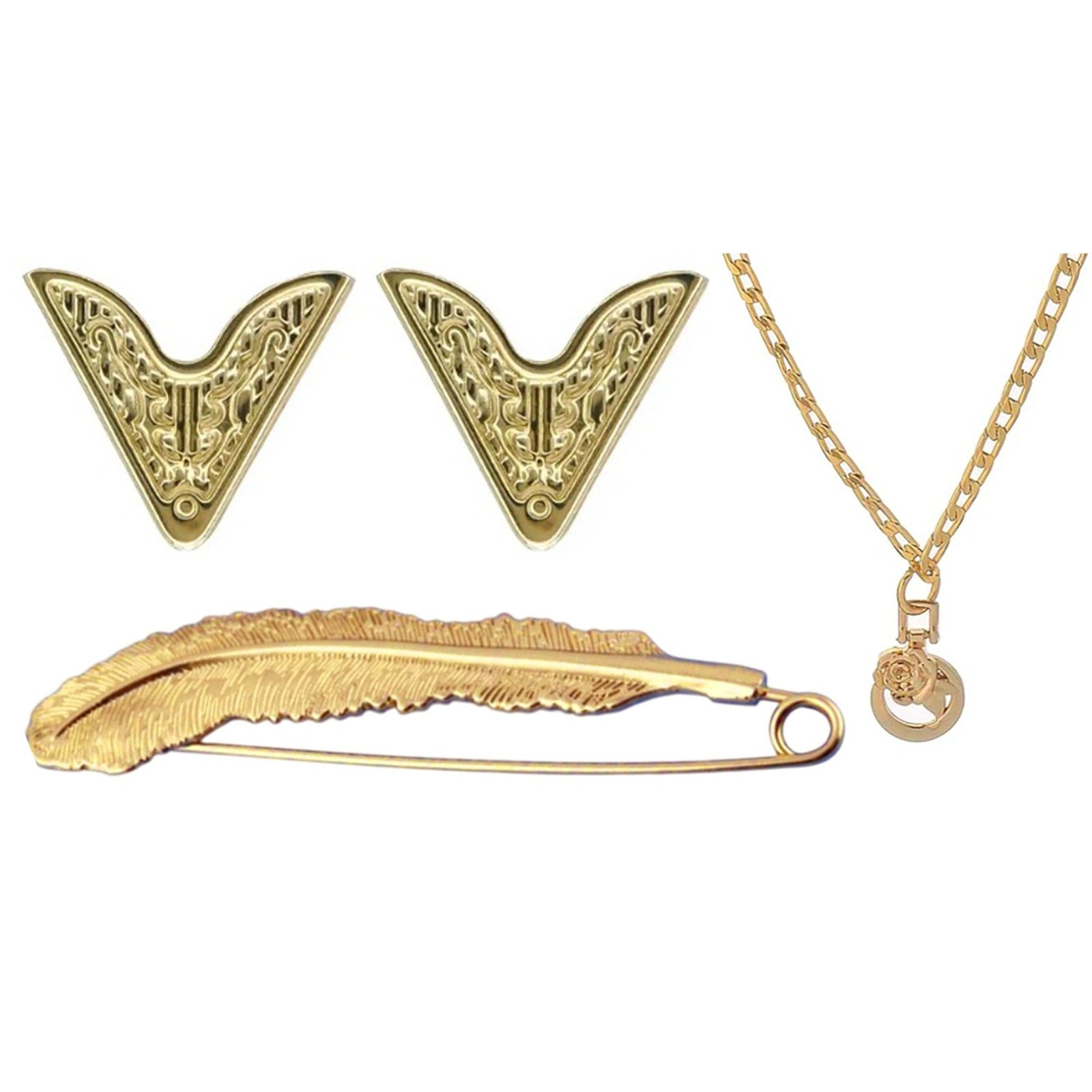
Men's brooches and pins now come in sets too, where a brooch pairs with a matching tie pin or cufflinks for a coordinated formal look.
Coat brooch for men
A coat brooch for men is the most common starting point for anyone new to this accessory. Placement rules:
- Pin it on the left side of the coat, roughly 2 to 3 fingers below the collar.
- Pin through two layers of fabric, not just the outer layer, so the brooch sits flat and does not tilt.
- Angle it slightly upward rather than straight across. A flat horizontal pin can look accidental.
A coat pin for men should match the coat's formality. A wool overcoat takes a heavier, textured brooch well. A lightweight trench coat needs something smaller so it does not pull at the fabric.
For coat pant brooch sets, where the same design also touches the waistband or pocket of matching trousers, keep the second piece smaller than the coat brooch. One dominant piece and one supporting piece reads better than two competing ones.
Gents coat brooch shopping in India usually falls into two price bands: oxidized brass pieces starting around ₹200 to ₹500, and stone-studded designer pieces from ₹1,500 upward. Both work. The difference is finish and how long the plating lasts.
Wedding brooch for men's coat
This is where men's brooches get the most attention. A wedding brooch for a men's coat typically goes on:
- Sherwanis, at the left chest, close to where a boutonniere would sit on a Western suit
- Bandhgalas and court dress, where a court brooch is positioned on the closed collar or the top button area
- Indo-western coats, on the lapel if the coat has one, or the chest if it is collarless
Grooms often choose a stone-set brooch that matches the color of the safa or turban accessories. Guests and family members attending the wedding usually go smaller and simpler, since the groom's piece should stand out the most.
Rental markets in most Indian cities carry wedding brooches priced from ₹500 to ₹2,000 for a one-time wear. Buying instead of renting makes sense if you expect to reuse it for other family functions.
Brooch for suit men
A suit brooch works differently from a wedding piece. Suits call for restraint. A formal brooch for men, worn to office events, client dinners, or a friend's wedding as a guest, should be:
- Small to medium, under 4 cm
- One metal tone (all gold or all silver, not mixed)
- Free of loud color unless the event is a celebration, not a business setting
A men's brooch for suit placement is the same left lapel position used for a boutonniere: between the notch and the shoulder seam. Pin through the fabric, not the buttonhole, unless the suit has a working buttonhole loop built for flowers, in which case you can thread the pin through that loop for extra grip.
Brooch for blazer men
A blazer gives more room to experiment than a business suit. Brooch for blazer men styling allows:
- Textured fabrics like tweed or corduroy, which hold a pin more securely than smooth wool
- Slightly lower placement, closer to the chest pocket, for a relaxed look
- Bolder colors and larger stones, since blazers are already a step down from formalwear
A men's blazer pin can also double as what some people call a blazer badge, a small crest or emblem-style pin worn near the pocket, similar to how school or club blazers use badges. If you already own a blazer with a stitched crest, skip the pin there and place your brooch on the opposite lapel instead.
Brooch for jacket
Jacket brooch styling has grown fastest in casual menswear. Brooches for jackets now show up on:
- Denim jackets, pinned to the chest pocket flap
- Bomber jackets, on the upper chest away from any zipper
- Overshirts and shackets, at the collar point or breast pocket
For a jacket brooch, scale down. A large stone-heavy brooch that works on a wedding coat will look out of place on denim. Pick something under 3 cm, in a single finish, so it reads as a deliberate style choice and not leftover formalwear.
Brooch for men kurta
Ethnic wear gives a brooch room to be the main accessory. A brooch for men kurta typically sits at:
- The chest, just below the collarbone, on a straight-collar kurta
- The collar point itself, if the kurta has a mandarin or band collar
For festivals like Diwali or Eid, a brooch for men's kurta in gold-tone with a small stone works well over silk or brocade fabric. For everyday cotton kurtas, a plain metal pin looks more natural than a heavily jeweled one.
Shirt brooch for men and collar brooch for men
Wearing a brooch directly on a shirt is less common but growing, especially with button-down and Oxford shirts. A shirt brooch for men should be lightweight since shirt fabric is thinner than a coat or blazer and cannot support heavy pieces without sagging or tearing.
A collar brooch for men sits at the collar point or center collar, similar to how a collar pin works but with more visual presence. Keep it under 2.5 cm and use a light metal like brass or thin silver. This placement pairs well with a tie or bow tie, since the brooch draws the eye upward toward the face.
Brooch for tuxedo
Black tie events call for restraint. A brooch for tuxedo wear should be:
- Black, white, or clear stone only, matching the monochrome dress code
- Small, since tuxedo lapels are usually satin-faced and narrow
- Worn instead of a boutonniere, not alongside one, to avoid clutter on the left lapel
If your tuxedo has a peak lapel, pin the brooch just above where the lapel meets the buttonhole. On a shawl lapel, which has no notch, pin it at chest height in line with your jacket's top button.
Materials, stones and finishes
Common finishes for men's brooches and pins include:
- Oxidized brass: dark, antique look, common in Indian ethnic wear, budget-friendly
- Gold-plated brass: shinier finish, works for both suits and sherwanis
- Sterling silver: cleaner, more formal, pairs well with tuxedos and business suits
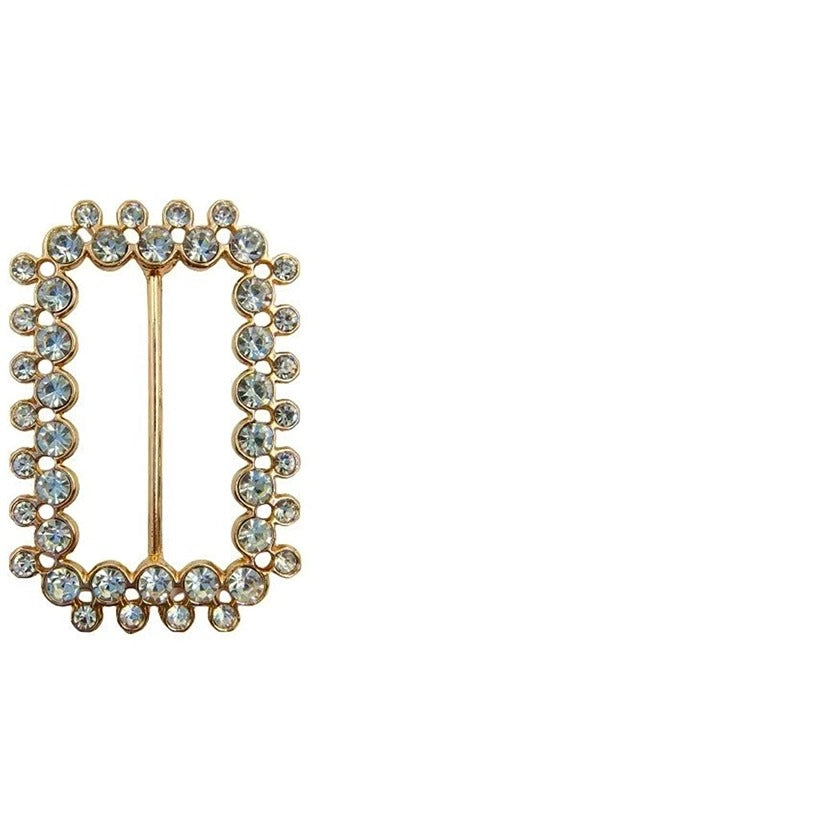
- Crystal and rhinestone: adds sparkle, best for weddings and evening events
- Deep-toned stones: dark purple or near-black stones, sometimes sold as a blackberry brooch style, work well on darker fabrics like navy or charcoal coats where a bright stone would look out of place
Real gemstone brooches cost significantly more than crystal or glass-stone versions and are usually a special-occasion purchase rather than daily wear.
General styling rules for any brooch pin for men
A few rules apply no matter which garment you are pinning:
- One brooch per outfit. A brooch pin for men works as a focal point. Adding a second one, or stacking it with a large tie pin and cufflinks, crowds the chest area and none of the pieces stand out.
- Match metal tones. If your watch, belt buckle, or cufflinks are silver, keep the brooch silver too. Mixing gold and silver on the same outfit reads as accidental rather than styled.
- Consider the fabric before the design. Smooth fabrics like satin lapels on a tuxedo hold a pin less securely than textured wool or tweed. A heavier brooch on satin will sag by the end of the evening.
- Keep the rest of the outfit simple. A brooch already draws attention. Loud patterns elsewhere on the shirt or tie compete with it instead of supporting it.
- Test the weight before the event. Pin the brooch on and move around for a few minutes. If it tilts or drags the fabric down, size down or switch to a chain brooch for men, which anchors at two points instead of one.
How to choose and buy a men's brooch
Before buying, check these points:
- Match the garment weight. Heavy coats can carry bigger, heavier brooches. Shirts and light jackets cannot.
- Check the pin-back type. A locking clasp holds better than a simple safety-pin style, especially for a full day of wear at a wedding.
- Buy for the occasion first, the design second. A brooch that photographs well at a wedding might look wrong at the office.
- Set a budget by frequency of use. For a one-time wedding wear, ₹500 to ₹1,500 pieces are common. For a brooch you will wear repeatedly with suits, spend more on a durable clasp and plating.
- Buy sets when possible. A brooch that comes with a matching tie pin or cufflink set saves you from mismatched metal tones later.
Caring for your men's brooch
A brooch survives longer with basic care, especially oxidized and gold-plated pieces that are common in men's brooches and pins sold for weddings.
- Store it flat in a small box or pouch rather than loose in a drawer, since stones can chip when they knock against other jewelry.
- Wipe the metal with a soft, dry cloth after each wear to remove sweat and oil, which speed up plating wear.
- Avoid perfume or hairspray contact right before pinning it on. Both can dull crystal and stone finishes over time.
- If the pin-back loosens, get it tightened by a jeweler rather than forcing it, since a bent clasp is hard to reshape evenly.
- For a coat pin for men that sees regular use through winter, check the clasp every few wears. Repeated pinning through the same fabric spot can wear a small hole if the clasp is dull.
Men's brooch vs. brooch for women saree
Brooches for women saree differ from men's designs in three ways: size, placement, and function. A brooch for women saree is often used functionally, to pin the pallu in place at the shoulder, not just decoratively. Women's saree brooches also run larger and more ornate, with floral or paisley motifs, compared to the geometric and minimal designs common in men brooches and pins.
If you are buying a brooch as a gift for a couple, for example for a wedding, it makes sense to pick two separate pieces: a gents coat brooch for the groom's sherwani and a matching or complementary brooch for women saree for the bride's outfit, rather than trying to find a unisex design that works for both.
Frequently asked questions
Can men wear brooches casually, not just at weddings? Yes. A small jacket brooch or collar brooch for men works on denim jackets, overshirts, and casual blazers. Keep the rest of the outfit simple so the brooch does not compete with other accessories.
Where exactly should a men's brooch go on a suit? The left lapel, between the notch and the shoulder seam, 2 to 3 fingers below the collar. This is the same spot used for a boutonniere.
How do I stop a heavy coat brooch from sagging? Pin through two layers of fabric instead of one, and choose a locking clasp. If the brooch still droops, it is too heavy for that fabric and needs a sturdier coat.
Is a chain brooch for men harder to wear than a single pin? Not really. A chain brooch has two pin points instead of one, which actually spreads the weight better and reduces sagging compared to a single heavy brooch.
What is a reasonable price range for a wedding brooch for men's coat? Budget pieces start around ₹300 to ₹500. Designer stone-set pieces range from ₹1,500 to ₹5,000 depending on material and brand.
Can the same brooch work for both a suit and a sherwani? Rarely. A men's brooch for suit is usually smaller and single-toned, while a sherwani or court brooch tends to carry more stonework. Owning one of each covers most occasions without overspending on a single do-everything piece.
Final word
A men's brooch is a small accessory with a lot of range. The same category covers a ₹200 oxidized coat pin and a ₹5,000 stone-set wedding piece. Match the brooch to the garment first, the occasion second, and keep placement consistent: left side, secure clasp, proportionate size. Get those three right and the brooch will do its job on a suit, a blazer, a kurta, or a wedding coat.